
Introduction to Qaida
Before a child can read the Quran fluently, there is an important first step known as Qaida. Qaida is a beginner’s book designed to teach children the Arabic alphabet, pronunciation (Makharij), joining of letters, and basic Tajweed rules. It acts as the foundation upon which Quran reading skills are built.
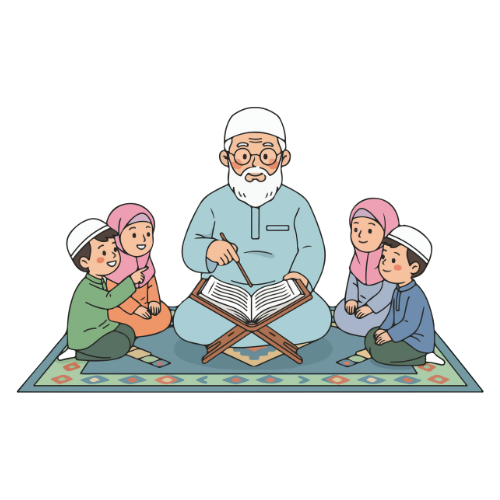
In today’s digital age, Basic Qaida lessons for kids online have become a convenient and effective way for children to start their Quranic education from the comfort of their homes. With interactive tools, qualified teachers, and flexible schedules, online Qaida learning is helping families around the world Islamic education in a modern and accessible way.
Qaida lessons play a crucial role in this process. They are often the first formal step a child takes toward understanding the Quran. Through Qaida, children learn not only letters and sounds but also discipline, focus, and respect for sacred knowledge.
Why Qaida Lessons Online Are Essential for Kids
Online Qaida lessons are designed specifically for beginners, especially children, to make Quran learning easy and enjoyable. Without learning Qaida properly, children may struggle with pronunciation and fluency when reading the Quran later.

Here are some key reasons why Qaida lessons are essential:
- Correct Pronunciation (Makharij):
Qaida teaches children how to pronounce Arabic letters from their correct points of articulation.
- Step-by-Step Learning:
Lessons progress gradually, helping kids build confidence without feeling overwhelmed.
- Strong Quranic Foundation:
A strong Qaida base makes Quran reading smooth and accurate.
- Early Tajweed Awareness:
Children learn basic Tajweed rules naturally during Qaida lessons.
- Discipline and Consistency:
Regular lessons help kids develop good learning habits.
When Qaida is taught properly, children move to Quran reading with ease and confidence.
Benefits of Basic Qaida Lessons for Kids Online
Online learning has transformed education, and Islamic studies are no exception. Basic Qaida lessons for kids online offer many advantages for both parents and children.

1. Learning from Home
Children can learn in a familiar and comfortable environment, which reduces anxiety and increases focus.
2. Flexible Schedules
Online Qaida classes allow parents to choose class timings that fit their daily routines, school schedules, and family responsibilities.
3. Qualified and Patient Teachers
Most online platforms provide trained Quran teachers who specialize in teaching children with patience, kindness, and encouragement.
4. One-on-One Attention
Online Qaida lessons often include individual sessions, allowing teachers to focus on each child’s pronunciation and progress.
5. Interactive and Engaging Methods
Digital tools, visual aids, repetition exercises, and friendly teaching styles keep kids interested and motivated.
6. Safe and Supervised Learning
Parents can easily monitor lessons, ensuring a safe and positive learning experience.
Basic Steps to Attempt Online Qaida Lessons for Kids
Learning Qaida requires patience, consistency, and the right approach. Below are the basic steps that help children successfully learn Qaida, especially through online lessons.
Step 1: Learning the Arabic Alphabet
The journey begins with recognizing and memorizing Arabic letters. Teachers introduce letters slowly, focusing on shape and sound.
Step 2: Correct Pronunciation Practice
Children learn how each letter is pronounced correctly. Teachers emphasize mouth and tongue positions to ensure accuracy.
Step 3: Joining Letters
Once children recognize individual letters, they learn how “letters” connect to form “words”. This step is crucial for fluent reading.
Step 4: Short Vowels (Harakat)
Kids are taught basic vowels such as “Zabar, Zair, and Paish” helping them read letters with proper sounds.
Step 5: Sukoon and Tanween
Gradually, children learn advanced sounds like Sukoon and Tanween, improving fluency and rhythm.
Step 6: Long Vowels (Maddah)
This step helps children understand how to stretch sounds correctly while reading.
Step 7: Basic Tajweed Rules
Simple Tajweed rules are introduced to prepare children for Quran recitation with respect and accuracy.
Step 8: Revision and Practice
Regular revision strengthens memory and improves reading confidence. Consistent practice is key to success.
Role of Parents in Online Qaida Learning
Parents play a vital role in a child’s Qaida learning journey. Encouragement, appreciation, and involvement make a big difference in building their confidence.
Parents can:
- Set a regular learning schedule
- Listen to their child’s recitation
- Praise effort and progress
- Communicate with teachers
- Create a peaceful learning environment
When children feel supported at home, they develop a positive attitude toward Islamic learning.
Creating Love for the Quran Through Qaida
Qaida should never feel like a burden for children. When taught with kindness and understanding, it becomes a joy for children. Teachers and parents should focus on building love for the Quran but not pressure.
Sharing small Islamic stories, explaining the importance of the Quran, and celebrating milestones help children associate happiness with learning Islam.
Conclusion
Basic Qaida lessons for kids online provide a strong and meaningful foundation for Quranic learning in today’s modern world. Qaida is not just a book of letters; it is the first step toward understanding the words of Allah and building a lifelong connection with Islam.
Through structured lessons, patient teaching, and consistent practice, children can learn Qaida easily and confidently. Online learning makes this journey accessible, flexible, and engaging for families everywhere.

